

Dyscalculia and Math Learning Disability Evaluations
Your Child Is Smart. So Why Is Math So Hard?
They count on their fingers.
They forget facts they practiced yesterday.
They lose track of the steps.
They say, “I’m just bad at math.”
You know they are trying. You just do not know what is getting in the way.
Comprehensive dyscalculia and math learning disability evaluations for children on Long Island.
When Math Struggles Start Showing Up Everywhere
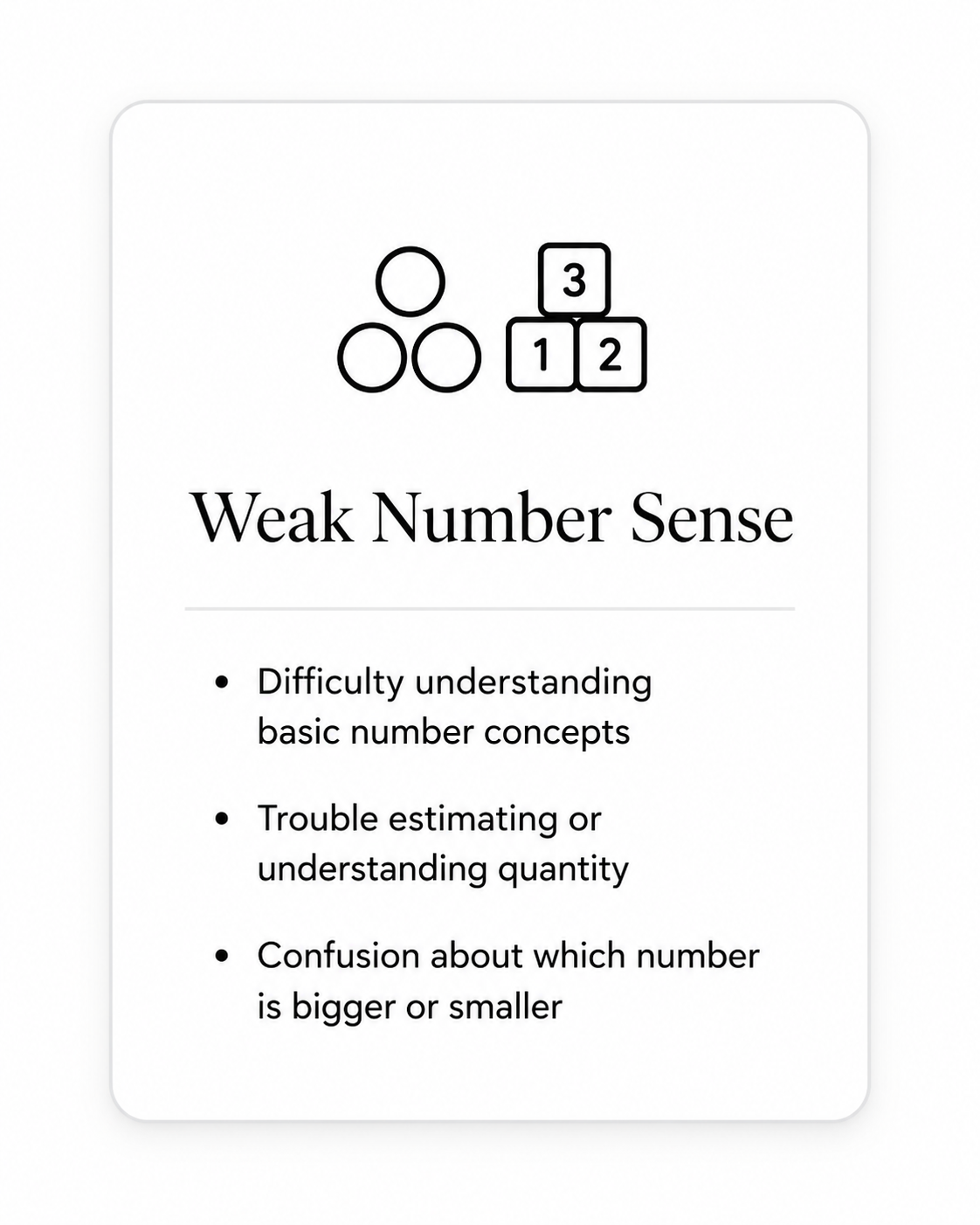
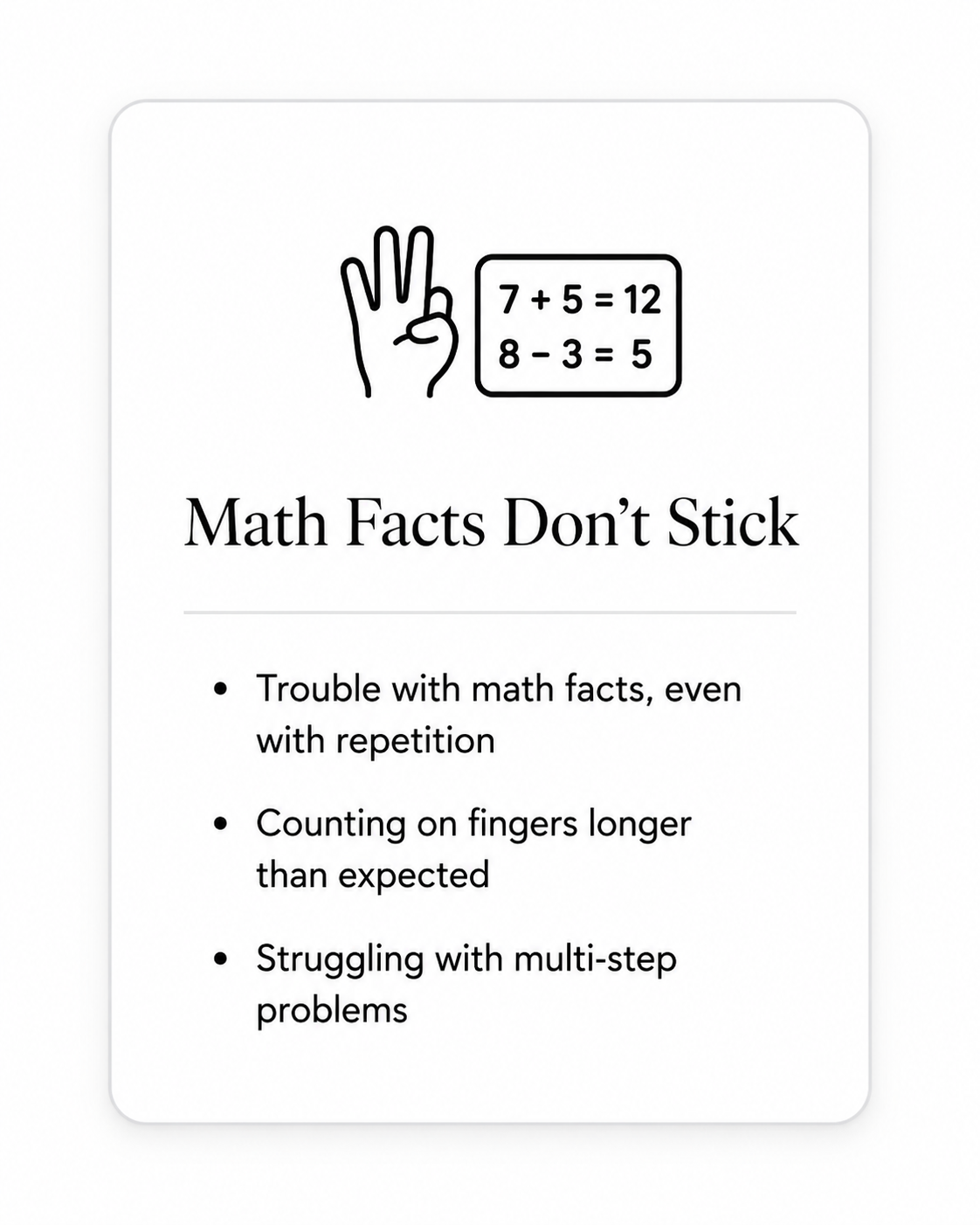
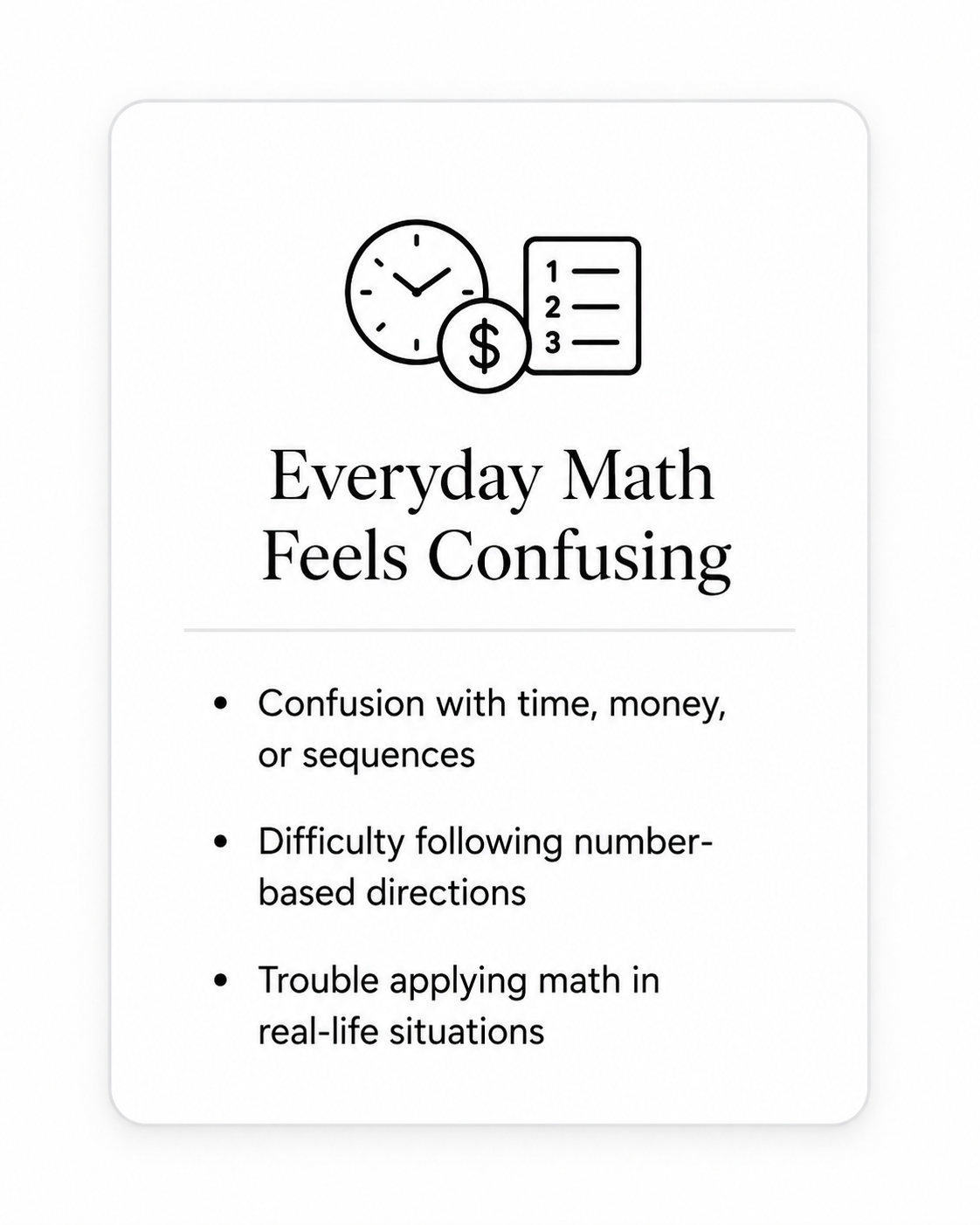
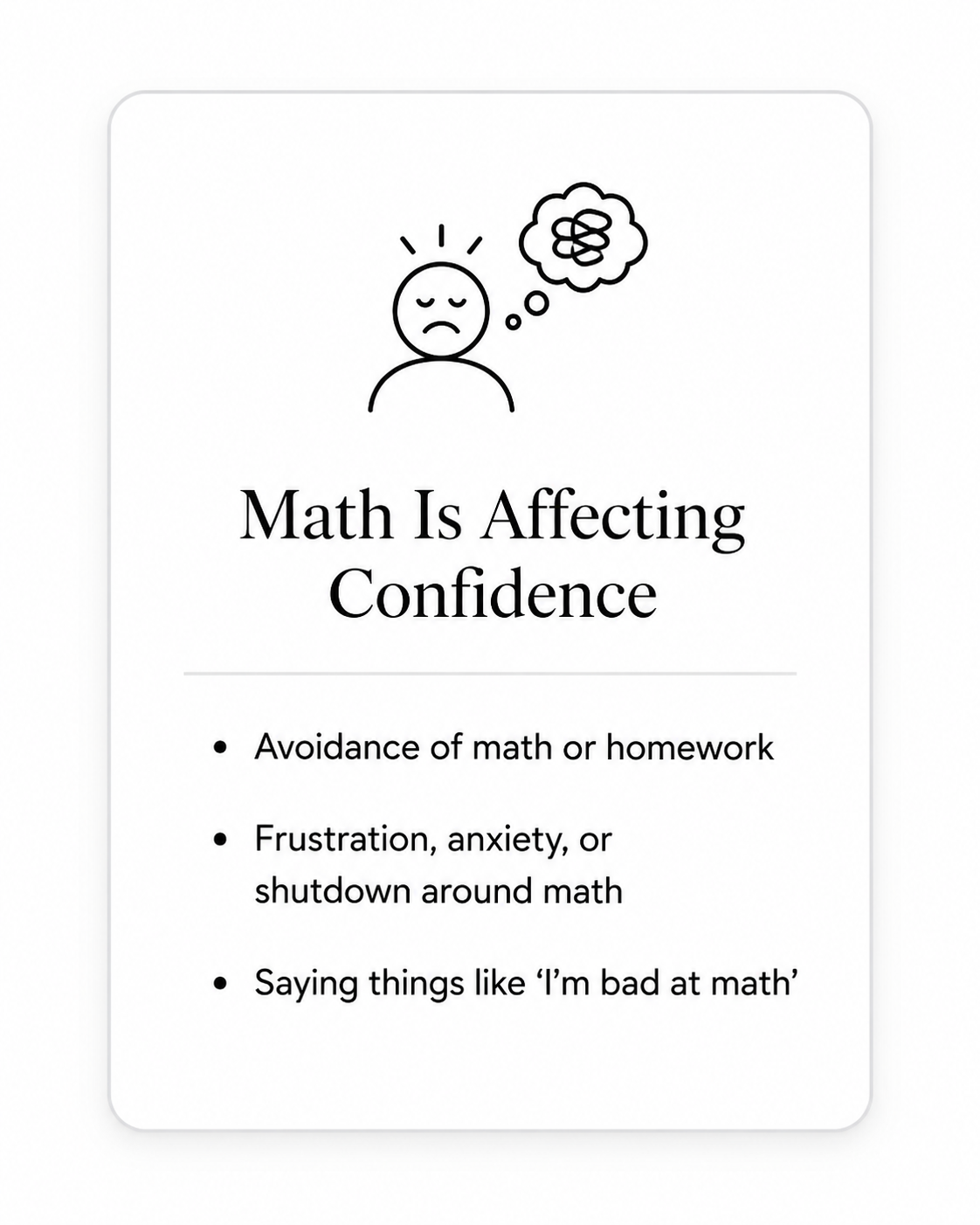

You Have Already Tried to Help

More practice cannot solve a problem that has not been clearly identified

Why is Math Not Sticking?
Learning math depends on many interconnected skills.







How does the process work?
Consultation
We discuss concerns, history, and questions you want answered

Records Review
We review school reports, records, previous testing, etc.

Testing
2-3 in person testing sessions lasting 2 hrs each

Interpretation
Dr. Duhning integrates and synthesizes the data

Report
We meet virtually to review the findings, recommendations, and written report

Roadmap
Your child has a clear roadmap to succeed



Dr. Courtney Duhning, Psy.D., ABSNP, NCSP
Serving Suffolk & Nassau County & Queens
Meet Dr. Courtney Duhning
Dr. Courtney Duhning is a pediatric neuropsychologist and nationally certified school psychologist specializing in the evaluation of learning disabilities, attention/executive functioning concerns, social-emotional difficulties, and complex academic profiles in children and adolescents.
Her approach is thoughtful, individualized, and focused on helping families gain meaningful clarity—not simply test scores alone.
Specialized child neuropsychological evaluations on Long Island
Focus on attention, hyperactivity, anxiety, and executive functioning
Expertise in dyslexia, dysgraphia, dyscalculia
Thorough, individualized assessment process
Clear explanations of strengths and weaknesses — not confusing reports
Practical recommendations for real-life use
Collaborative, child-centered approach
The goal is to help you understand your child and their needs for success.
Not sure if this is a math learning disability (dyscalculia)?
Math difficulties can overlap with attention, executive functioning, or other learning differences.
Frequently Asked Questions
-
Many children struggle with math at times—but when the same difficulties persist despite effort, support, or tutoring, it may be worth looking more closely.
Parents often notice:
ongoing confusion with basic concepts
slow progress despite practice
frustration or avoidance
a gap between ability and performance
If math continues to feel disproportionately difficult, there is often an underlying reason.
-
Dyscalculia is a learning difference that affects how a child understands and works with numbers.
It can impact:
number sense
math facts
problem solving
understanding quantity and relationships
It does not reflect intelligence—many children with dyscalculia are bright and capable in other areas.
-
It can be difficult to tell.
Math struggles may be related to:
dyscalculia
ADHD or attention difficulties
working memory challenges
math-related anxiety
A comprehensive evaluation helps clarify what is contributing—and whether multiple factors are involved.
-
Yes. It is possible to have multiple learning disabilities. Learn more about dyslexia, dysgraphia, and ADHD.
-
This is very common.
If the underlying issue has not been clearly identified, tutoring may not target the right skills.
Some children work harder without making meaningful progress.An evaluation helps determine:
what specifically is causing the difficulty
what type of intervention is most appropriate
-
es.
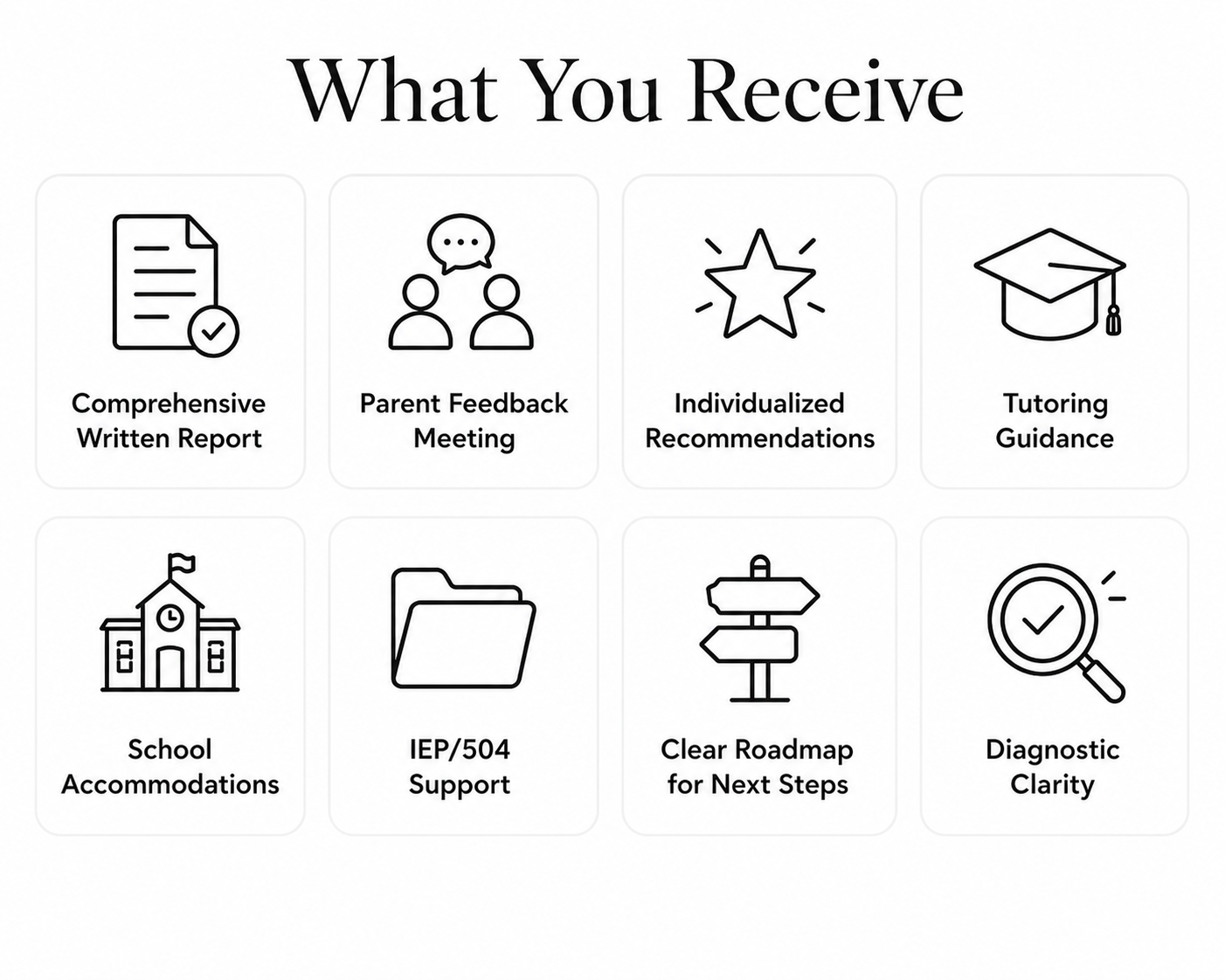
The evaluation provides:
detailed documentation
clear recommendations
language to support IEP or 504 planning
This helps families advocate more effectively and ensures supports are aligned with their child’s needs.
-
If you’ve been asking questions like:
“Why is math still so hard?”
“Why isn’t progress matching effort?”
“Is this a learning issue or something else?”
An evaluation can provide the clarity needed to understand what is happening—and what to do next.
-
The cost can vary depending on the level of complexity and testing involved. You can learn more about the process and fees here.
Using your out-of-network benefits
This is a private-pay service. Many families use HSA/FSA cards and receive partial reimbursement through out-of-network benefits. We provide detailed superbills, guidance on benefits, and support with submission.