
Memory
Memory evaluations for children and teens
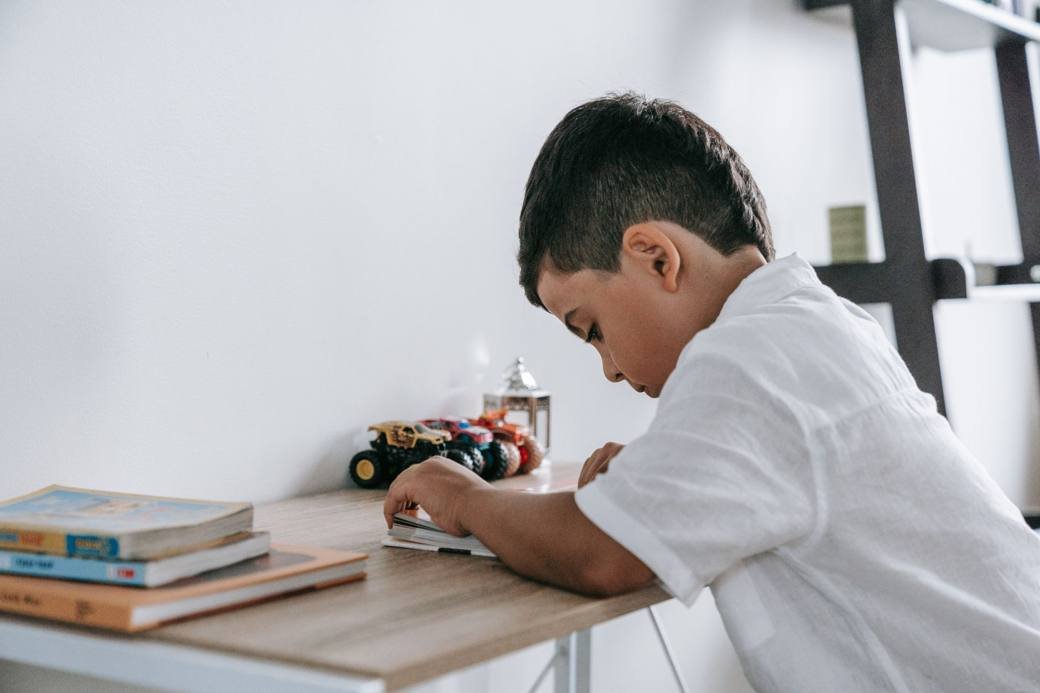
Some children keep up — but the cost is enormous. Homework stretches late into the night, studying takes hours, and the effort never quite matches the outcome. That gap has a name, and it can be measured.
Serving Long Island & Queens, NY
A familiar frustration
“We studied this for hours — and it's just gone”
Few things are more discouraging for a family than watching real preparation disappear overnight. But memory isn't a single ability that a child either has or lacks, and knowing which part is struggling changes what actually helps.
memory ASSESSMENT
Why we assess every area of memory
Memory isn't one skill — it's several, and they can be affected independently. The pattern across these areas is what shows where the difficulty actually lies, and what will help.
A child may recall something immediately but lose it by the next day, or be unable to retrieve it on their own yet recognize it instantly when given choices. Each pattern points to something different — which is why all of them are assessed.
What to look for
Signs that memory may be part of the difficulty
- •Studying thoroughly and still blanking on the test
- •Losing track partway through multi-step instructions
- •Recognizing the right answer immediately when given choices
- •Remembering experiences vividly but facts poorly, or the reverse
- •Needing far more repetition than peers to retain the same material
- •Losing the thread of a sentence or an idea while writing it down
When effort is clearly present and retention isn't, memory is worth examining directly.

An important distinction
Memory difficulty is not a lack of trying
Children with memory difficulties often work harder than anyone realizes, because they are compensating for something invisible. Re-reading, re-copying, and re-studying are attempts to force retention through sheer repetition.
The strategies that help depend entirely on which process is affected. A child who struggles to encode material needs different support from one who encodes well but cannot retrieve under pressure — and the wrong strategy simply adds more hours to the same result.
The process
How the evaluation works
Consultation
We discuss what your child forgets, when it happens, and how they have been studying.
Records review
We review school performance for the pattern between preparation and what is actually retained.
Testing
Two to three sessions assessing working memory, encoding, and retrieval across verbal and visual material.
Interpretation
Dr. Duhning pinpoints which memory process is breaking down, and which are intact.
Report
We meet to review the profile and why previous study strategies have not been working.
Roadmap
You leave with study methods matched to how your child's memory actually functions.
faqs
Memory evaluations
Is this about memory problems from an injury?
Not usually. Most children evaluated for memory concerns have no injury history — the difficulties are developmental and have been present all along. Memory is also assessed after a concussion or medical event, and the evaluation is structured accordingly in those cases.
Could this be attention rather than memory?
Very possibly, and that's precisely why it's worth testing. Information that was never fully attended to cannot be recalled later, which looks identical to a memory problem from the outside. The evaluation distinguishes the two and identifies when both are involved.
Will this help with school accommodations?
Yes. Findings frequently support accommodations such as written instructions alongside verbal ones, reduced memory load on tests, formula or reference sheets, and extended time — along with the documentation schools generally require.
Isn't some forgetfulness just normal for kids?
Absolutely, and most forgetfulness is exactly that. The concern is a persistent gap between genuine effort and what's retained — a child who studies thoroughly, and reliably cannot recall the material shortly afterward, while peers doing the same amount of work retain it.
Does a memory difficulty mean my child has a learning disability?
Not automatically. Memory difficulties can appear on their own, alongside attention difficulties, or as part of a learning disability profile. Determining which of these applies is exactly what the evaluation is designed to do, since the support that follows differs considerably in each case.
How is memory actually tested?
Through structured tasks that separate the processes involved: holding information briefly while using it, learning new material across repeated exposures, recalling it after a delay, and recognizing it when it's presented again. Comparing performance across these tasks is what reveals where the breakdown occurs.
What you receive
What the evaluation gives you
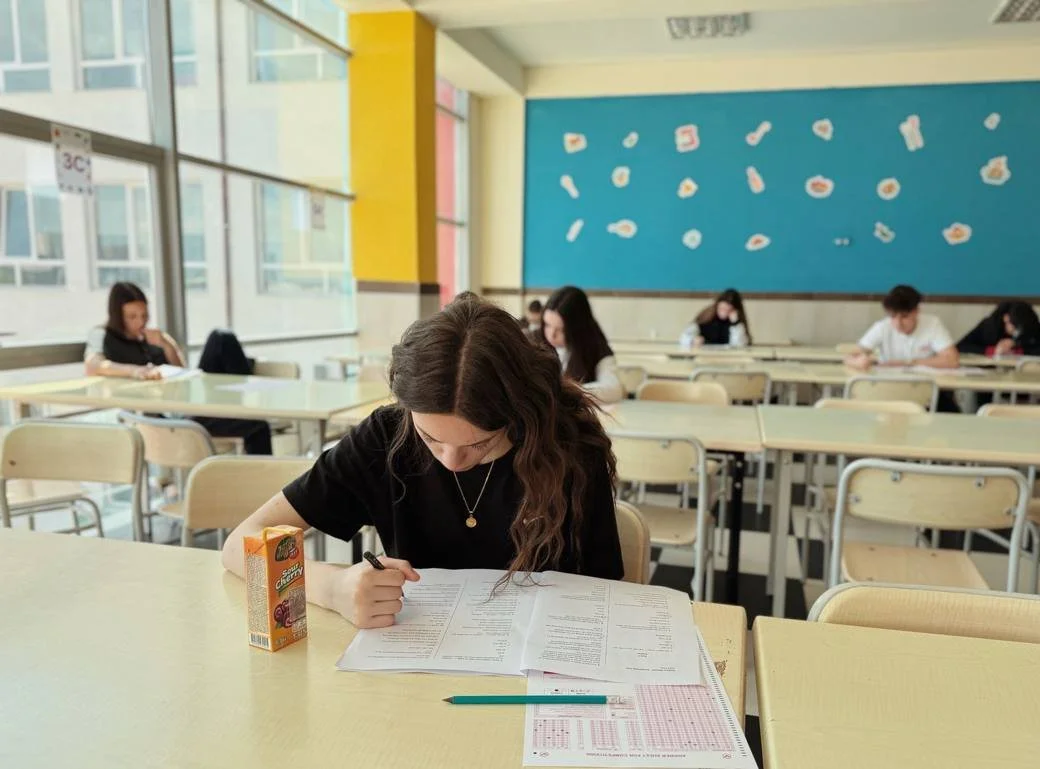
Memory is assessed across several processes, then interpreted alongside the abilities that support it.
After the evaluation
What changes once you know which part is struggling
Generic study advice fails children with memory difficulties because it assumes the information is being stored properly in the first place. Once testing identifies where the process breaks down, the strategies change accordingly.
A child who struggles to encode benefits from approaches that strengthen how material goes in. A child who encodes well but cannot retrieve benefits from cues, structured practice, and reduced recall demands under pressure. Same effort, very different plan.
Studying hard and still forgetting?
An evaluation identifies which part of memory is struggling — and which strategies will actually work.
Schedule a Free ConsultationContinue reading