
Dysgraphia · 1st–2nd Grade
Dysgraphia in 1st & 2nd Grade
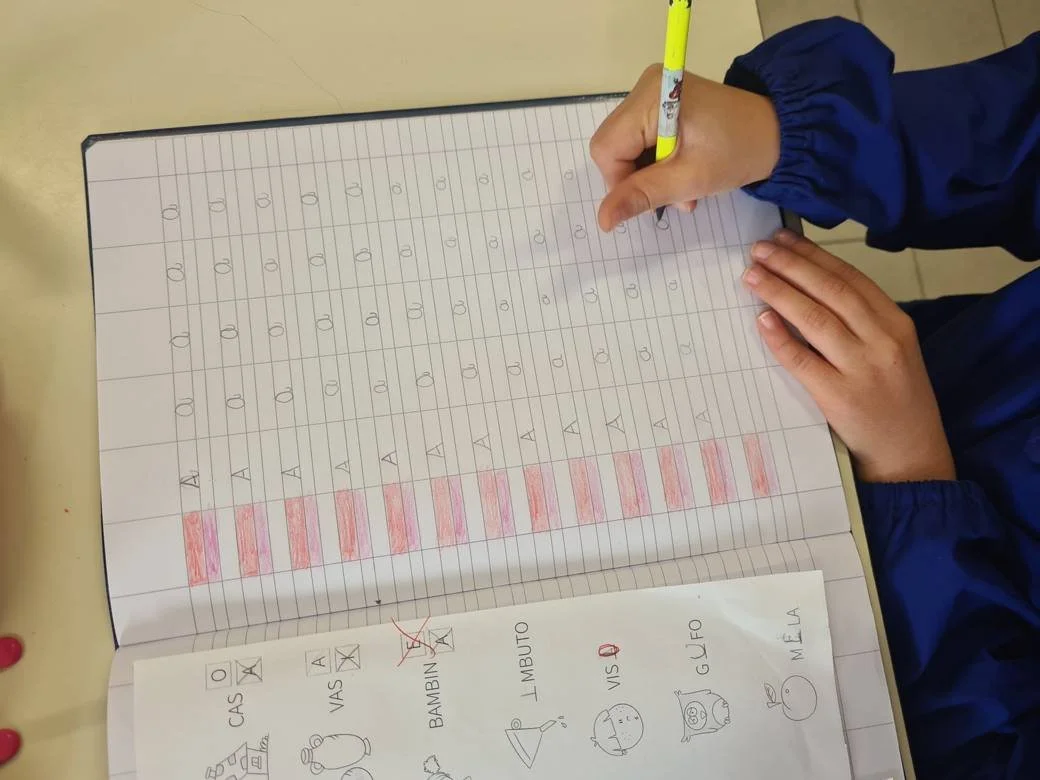
By first and second grade, letter formation should be growing easier and more automatic. When writing still takes enormous effort, it can quietly hold back a child who understands far more than they can get onto paper.
Serving Long Island & Queens, NY
What to look for
What to look for in 1st and 2nd grade
- •Letter formation that stays slow and effortful long after it has become automatic for peers
- •Letter and number reversals that persist well beyond the age they usually resolve
- •Uneven spacing between letters and words, or difficulty staying on the line
- •Spelling in writing that is much weaker than the child’s spoken vocabulary suggests
- •Written work that is far shorter and simpler than what the child can explain out loud
- •Stalling, resisting, or becoming upset at the start of any writing task
The pattern that matters most is effort — writing that costs your child far more than it costs their classmates.
Why this stage matters
Why this stage matters
First and second grade is when writing turns from an activity into a tool — children begin using it to show what they know in every subject. A child whose hand can't keep up with their thinking starts to look like they know less than they do, and that gap tends to widen each year. Identifying the cause now means instruction and accommodations can be matched to the real problem.
More than handwriting
What a dysgraphia evaluation looks at
The evaluation separates handwriting mechanics from spelling, language, and attention, so support targets the actual source of the difficulty.
Every evaluation is individualized based on your child’s history, concerns, and profile — never a one-size-fits-all package.
The process
How the evaluation works
Consultation
We discuss concerns, history, and the questions you want answered.
Records review
We review school reports, records, and previous testing.
Testing
Two to three in-person testing sessions, about two hours each.
Interpretation
Dr. Duhning integrates and synthesizes the data.
Report
We meet virtually to review the findings, recommendations, and written report.
Roadmap
You leave knowing what your child needs and what to do next.
Is writing much harder for your child than it should be?
An evaluation can show exactly where the breakdown is happening.
Schedule a Free ConsultationContinue reading