

Therapy for Anxiety, OCD & Emetophobia
Thoughtful, evidence-based therapy for young people struggling with anxiety, OCD, specific fears, and emotional overwhelm.
Schedule a Private Consultation
Serving families across Long Island & Queens.
Areas of Therapy Specialization
OCD & Exposure and Response Prevention (ERP)
OCD often involves:
intrusive thoughts
excessive doubt
compulsions or rituals
reassurance seeking
avoidance behaviors
ERP therapy helps children and teens gradually face fears while reducing compulsive responses in a supportive, structured way.
Emetophobia (Fear of Vomiting)
Children and teens struggling with emetophobia may:
avoid certain foods or situations
excessively monitor body sensations
seek reassurance about illness or nausea
avoid school, travel, restaurants, or social situations
Treatment focuses on gradually reducing fear and avoidance while helping children build confidence tolerating uncertainty and discomfort.
Anxiety & Perfectionism
Some children appear highly successful externally while privately struggling with:
chronic overthinking
fear of mistakes
school-related anxiety
excessive pressure to perform
emotional exhaustion
Therapy helps children and teens build flexibility, confidence, and healthier responses to stress and uncertainty.
This is often what families notice first.
Not always dramatic behaviors.
excessive reassurance seeking
difficulty tolerating uncertainty
avoidance of feared situations
perfectionism and overthinking
emotional shutdowns or irritability
panic around school, health, germs, vomiting, or mistakes
routines or rituals that seem difficult to stop
Parents frequently describe children who appear:
highly thoughtful
sensitive
conscientious
empathetic
Many are working very hard to manage anxiety internally before others fully recognize how much distress they are experiencing.
Anxiety does not always look obvious.
Some children:
hold themselves together at school and fall apart at home
appear highly responsible or perfectionistic
become irritable rather than outwardly anxious
avoid situations quietly without explaining why
constantly seek reassurance in subtle ways
Because many high-functioning children compensate well socially and academically, emotional struggles are sometimes missed until distress becomes more significant.
A Thoughtful Individualized Therapy Process
1. Initial Consultation
We begin with a discussion of current concerns, emotional functioning, developmental history, and treatment goals.
2. Collaborative Treatment Planning
Therapy is tailored to the child’s age, personality, strengths, and specific symptoms.
3. Evidence-Based Intervention
Treatment may incorporate:
Exposure and Response Prevention (ERP)
Cognitive Behavioral Therapy (CBT)
emotional regulation strategies
parent support and coaching
04. Building Long-Term Skills
The goal is not simply symptom reduction. The goal is helping children and teens develop healthier patterns for managing anxiety, uncertainty, and emotional stress over time.
Therapy should feel thoughtful, practical, and collaborative.
Our approach focuses on helping children and teens:
better understand anxiety and OCD
gradually face fears rather than avoid them
build confidence tolerating discomfort and uncertainty
reduce reliance on reassurance and safety behaviors
develop healthier coping patterns over time
Treatment is individualized based on the child’s developmental level, personality, and specific concerns.
Parent Involvement Matters
Therapy often includes guidance for parents regarding:
reassurance patterns
accommodation of anxiety
supporting exposures at home
responding to avoidance behaviors
building independence and confidence
The goal is not perfection.
The goal is helping children and teens feel:
more confident
more flexible
less controlled by fear and avoidance
What families often notice over time
Children and teens may begin to:
tolerate uncertainty more effectively
rely less on reassurance
participate more fully in daily life
feel more confident managing fears and anxiety
experience less avoidance and emotional overwhelm
Progress is often gradual, but meaningful.
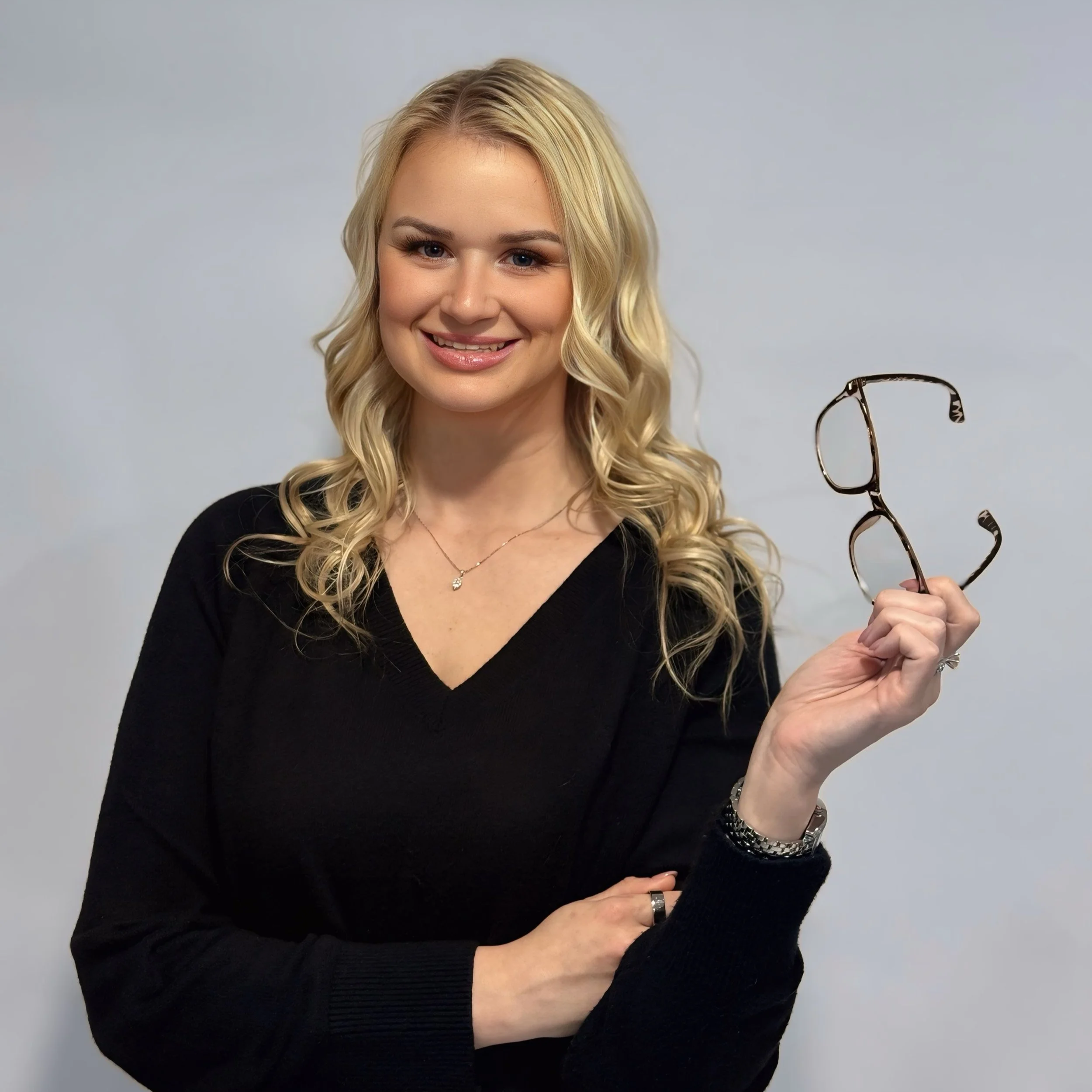
Dr. Courtney Duhning provides evidence-based therapy for children, teens, and young adults struggling with anxiety disorders, OCD, perfectionism, and specific phobias.
Her approach is warm, thoughtful, and focused on helping families better understand and respond to anxiety-driven patterns while building lasting coping skills.