
Dyslexia in Kindergarten
Is it too early to worry about dyslexia in kindergarten?
Not always.

Parents often say:
“She knows the letter one day and forgets it the next.”
“He avoids anything that has to do with reading.”
“She gets upset as soon as we practice letter sounds.”
“He is so smart, but reading activities feel unusually hard.”
“The teacher says to wait, but my gut says something is off.”
Signs Parents May Notice
A kindergartener with early signs of dyslexia may struggle with:
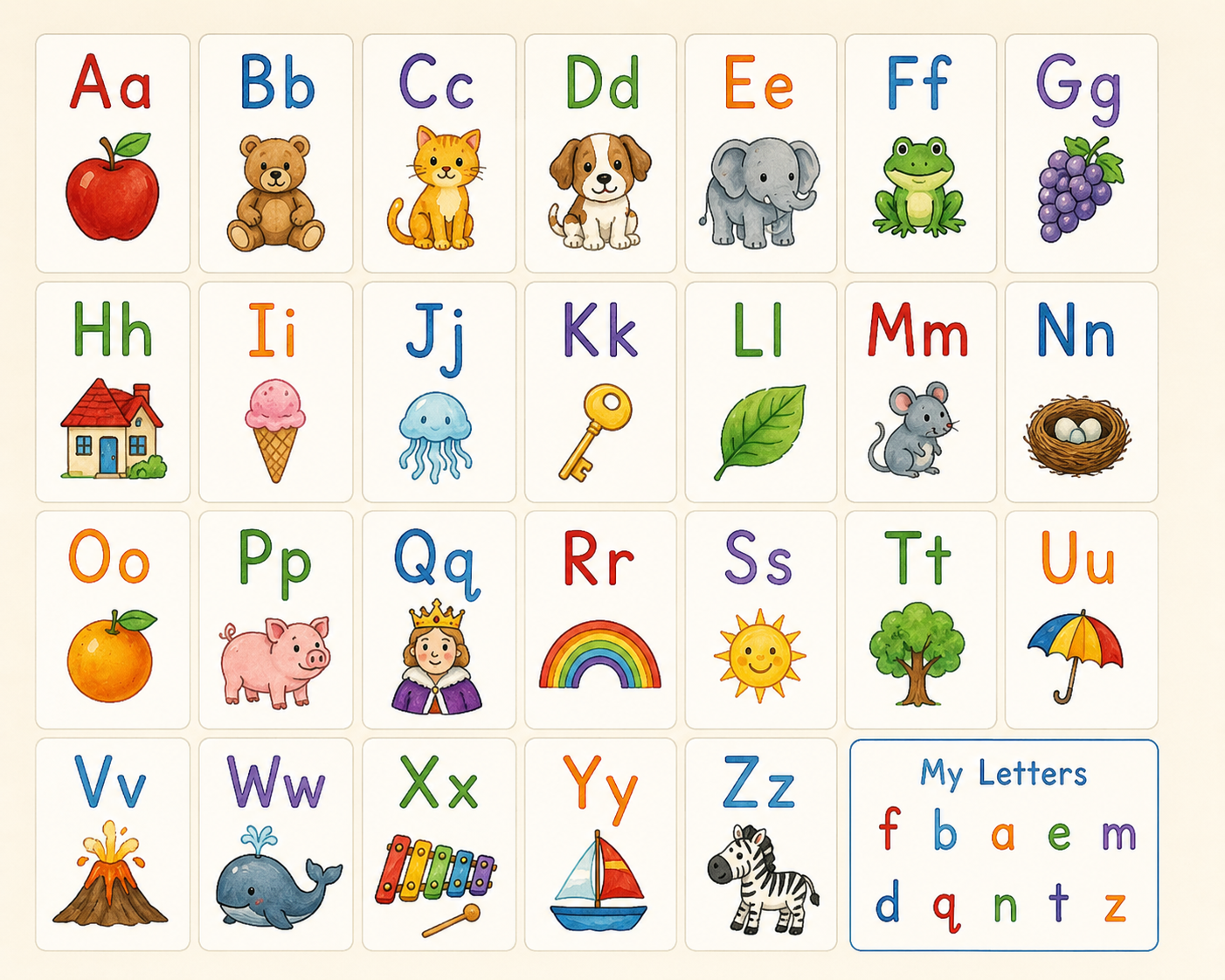
Learning letter names
Remembering letter sounds
Rhyming words
Clapping syllables
Hearing the first sound in a word
Blending sounds together
Sounding out simple words
Learning sight words
Remembering words from one day to the next
Enjoying books or early reading activities
What Dyslexia Can Look Like at Home
Reading practice may feel much harder than expected.
Your child may guess, shut down, cry, become silly, avoid the task, or say they hate reading before reading has even really started.
Some children look like they are not trying. Others become anxious or frustrated because they can tell that reading feels harder for them than it does for peers or siblings.

Bright Kids Can Still Struggle
Many children with early reading difficulties are very bright.
They may have strong vocabulary, great imagination, strong problem-solving skills, or excellent memory for stories. That can make the reading struggle more confusing.
Parents may think, “How can my child be so verbal but still struggle to learn letter sounds?”
That gap is often exactly why a closer look is important.
School Testing May Not Be Enough
School evaluations can be useful, but they may not fully explain why a child is struggling.
Some children are not far enough behind to qualify for services yet, but they are already showing signs that reading is not developing smoothly. Waiting until a child is failing can mean losing valuable intervention time.
A private evaluation can help clarify whether early reading struggles are related to phonological processing, language development, memory, attention, or another factor.
The Right Diagnosis Matters
The right diagnosis helps guide the right intervention.
If a child needs structured literacy support, general reading practice may not be enough. Without understanding the underlying issue, families may spend time and money on tutoring that does not directly target the problem.
A comprehensive evaluation helps answer: What is actually getting in the way?
If your kindergartener is bright but early reading feels unusually frustrating, a comprehensive evaluation can help you understand whether this is normal development or an early sign that more targeted support is needed.
Learn More
Learn more about Dyslexia Evaluations on Long Island.
Read about Dyslexia in 1st and 2nd Grade.
Learn why school testing may not tell the full story.
Serving Families Across the North Shore & Queens
Duhning Psychological Services is located in Manhasset and serves families throughout:
Great Neck
Port Washington
Roslyn
Garden City
Syosset
Jericho
Huntington
Dix Hills
Bayside
Douglaston
Little Neck
Many families travel specifically for comprehensive private-pay evaluations focused on dyslexia, learning disorders, and diagnostic clarification.
Frequently Asked Questions
-
Kindergarten is not too early to look at early signs of dyslexia, especially if your child is struggling with letter sounds, rhyming, blending sounds, or early reading skills. A diagnosis may depend on the full pattern of development, but early evaluation can help identify whether your child needs more targeted support instead of waiting until reading becomes more frustrating.
-
Early signs may include difficulty learning letter sounds, trouble rhyming, difficulty blending sounds together, forgetting letters or sounds from one day to the next, avoiding reading activities, or becoming upset during early literacy tasks.
-
Yes. Many children with dyslexia are bright, verbal, creative, and curious. Dyslexia is not related to intelligence. A child can have strong vocabulary and reasoning skills while still struggling with the sound-based skills needed for reading.
-
School evaluations are generally designed to determine eligibility for educational services. A private neuropsychological evaluation provides a more comprehensive understanding of how a child learns, processes information, manages academic demands, and functions emotionally across settings. Learn more about school vs private evaluations.
-
Sometimes children do need time to develop, but persistent reading frustration should not be ignored. If your child is consistently struggling, becoming anxious, avoiding reading, or falling behind with early literacy skills, an evaluation can help clarify whether support is needed now.
-
Inconsistent recall of letters, sounds, or sight words can be a sign that early reading skills are not becoming automatic. This does not always mean dyslexia, but it can suggest that your child needs a closer look at phonological processing, memory, language, and early literacy development.
-
Families often seek evaluations when concerns persist over time despite maturity, tutoring, increased effort, or strong intelligence. Difficulties related to attention, executive functioning, anxiety, learning, or emotional regulation frequently become more noticeable as academic demands increase in middle school, high school, and beyond.
-
Tutoring can help, but it works best when it targets the right problem. If your child has early signs of dyslexia, general reading practice may not be enough. An evaluation can help determine whether your child needs structured literacy intervention or another type of support.